

Have you noticed the disquieting undercurrent in recent travel discussions? It’s more than just airport delays and lost luggage; it’s a palpable sense of unease surrounding border crossings, specifically into the United States. Whispers abound of heightened scrutiny: increased document checks that go beyond the usual perfunctory glance, disquietingly intense cell phone searches, and, most alarmingly, unexpected detentions. Dismiss it as mere rumor at your own peril. Even European governments are issuing warnings, a move that hints at a deeper, more systemic shift.

The New Normal at the U.S. Border: Beyond Just «Welcome»
Gone are the days when a smile and a passport were all you needed. What’s unfolding now feels markedly different. Travelers are increasingly sharing accounts of invasive questioning and meticulous searches by U.S. Customs and Border Protection (CBP) – an experience that seems to stray far beyond the traditional «Welcome to the United States.»
Consider this: CBP possesses sweeping power. Cloaked in the authority of the «border search exception,» officers can delve into your electronic devices – phones, laptops, cameras – sans warrant, sans even «probable cause.» This applies even if you hold a U.S. passport. While CBP maintains these searches are «rare,» occurring in less than 0.01% of traveler encounters, that still amounts to a staggering 47,047 searches in FY24 alone. These aren’t just cursory glances, either. Searches range from a simple scroll through your apps to «advanced» searches involving forensic data extraction – a digital strip search, if you will.
The stakes are far higher than mere inconvenience. Information gleaned from your devices can lead directly to prolonged detentions and, for those without citizenship, outright denial of entry. Remember the chilling tales: the French scientist subjected to intense questioning based on social media activity, the physician held due to critical posts. These aren’t isolated incidents; they are harbingers of a shifting landscape.
A Journey Through Time: How U.S. Border Control Evolved
To understand the present, we must trace the contours of the past. The U.S. Customs Service, born in 1789, was initially concerned with tariffs and revenue. Formal immigration inspections didn’t emerge until 1891. The true inflection point, however, arrived with the dawn of the 21st century.
The post-9/11 era witnessed a seismic shift, culminating in the creation of CBP under the Department of Homeland Security in 2003. Counter-terrorism became the lodestar, forever altering the border experience. This transformation wasn’t solely about personnel; it was, and remains, a technological revolution. Surveillance technologies, from mundane X-rays to sophisticated AI and biometrics, have increasingly defined border security over the decades. This isn’t a fleeting trend; it’s the culmination of decades of technological escalation.
A Web of Opinions: Who’s Saying What?
The rising scrutiny hasn’t gone unnoticed, and the chorus of voices is growing louder. Civil liberties advocates, such as the ACLU and the Electronic Frontier Foundation (EFF), are raising alarms, arguing that these practices violate fundamental constitutional rights – the First Amendment’s guarantee of free expression and the Fourth Amendment’s protection against unreasonable searches. They call for «reasonable suspicion» as a prerequisite for device searches, alleging discriminatory profiling.
Legal experts offer a nuanced perspective, parsing the intricate web of traveler rights. U.S. citizens possess greater protections against denial of entry, yet non-citizens are acutely vulnerable to the whims of CBP. CBP, for its part, maintains a carefully crafted stance, emphasizing the balance between national security and civil liberties, underscoring the «rarity» of searches and their purported necessity. However, these official pronouncements often clash with the lived experiences of travelers, who report invasive questioning, prolonged detentions, and a chilling effect on their online expression.
The Stormy Waters of Controversy
The «border search exception» itself is under siege. Courts have historically upheld broad search powers at the border, even in the wake of *Riley v. California*, which mandated warrants for phone searches during arrests. This legal dissonance fuels the controversy.
Then there’s the specter of data retention and privacy nightmares. Vast troves of personal data, including «deleted» files, are collected and stored for up to 15 years in databases like the Automated Targeting System (ATS). This indiscriminate data collection and sharing raises profound concerns about privacy and potential misuse.
Adding to the complexity are allegations of a humanitarian crisis within detention facilities. Overcrowding, unsanitary conditions, and inadequate care are frequently cited. The *Flores Agreement*, designed to ensure humane treatment and limit the duration of detention for children, is constantly challenged. Even more shockingly, reports persist of U.S. citizens being wrongly detained or even deported by immigration agents.
And lurking in the shadows are secretive units, like CBP’s counterterrorism teams (TRIP, TTRT), that specifically target and interrogate travelers based on opaque watchlists. The very existence of these units fuels anxieties about profiling and due process.
Europe’s Red Flag: «Proceed with Caution!»
The gravity of the situation is underscored by the fact that European governments are now explicitly advising their citizens to exercise extreme caution when traveling to the U.S. These warnings are not issued lightly.
Key advisories include the stark reminder that an ESTA or visa offers no guarantee of entry; the final decision rests solely with CBP. Travelers are cautioned to be prepared for *any* question and the potential inspection of *all* electronic devices. Refusal to comply can have severe repercussions. Of particular note are specific warnings issued to LGBTQ+ travelers regarding document discrepancies and entry. The overarching message is clear: the rules have tightened, and the stakes have escalated dramatically.
Peering into the Crystal Ball: The Future of U.S. Border Screening
Looking ahead, the trajectory is clear: more technology, more control. CBP’s strategic plans and burgeoning IT budget portend a future dominated by AI – from cargo screening to identity validation. Expanded biometrics, featuring facial recognition at every turn, and other cutting-edge surveillance technologies will become ubiquitous.
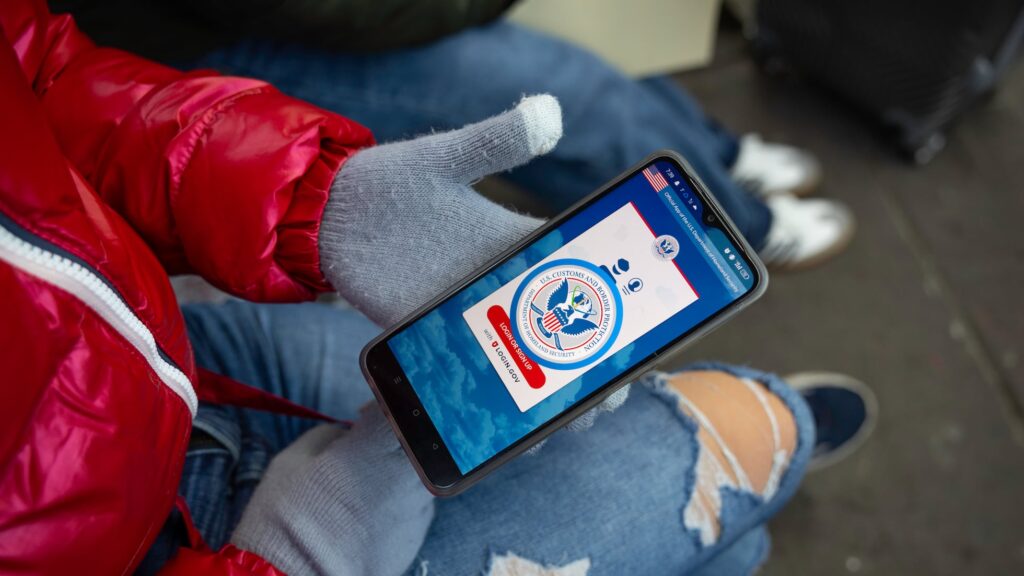
Anticipate a new electronic pre-screening process for all international visitors, launching in June 2025, likely through the CBP One app. This will involve the collection of extensive data *before* you even set foot on U.S. soil. The current administration’s executive orders hint at expanded detention capacity and increased deportations, potentially clashing with existing humanitarian protections. Expect continued legal challenges and public outcry as technology advances and privacy concerns mount.
Your Survival Guide: Navigating the U.S. Border in the Digital Age
In this evolving landscape, preparation is paramount. Begin with a digital detox before you travel. Minimize sensitive data on your devices – consider using «burner phones» and logging out of cloud accounts.
Know your rights, but also understand their limitations. Be clear on what you can and cannot refuse, and recognize the differing consequences for U.S. citizens versus foreign nationals. Prepare for the interview. Answer questions truthfully, briefly, and consistently. Consider trusted traveler programs, but be aware that expedited entry comes with its own set of rules and potential risks. Finally, know when to seek help. If you feel your rights are being violated or if you are detained, seek legal counsel immediately.
Conclusion: Travel Smart, Stay Informed
The tension between national security and individual liberties at the U.S. border is not a new phenomenon, but it is undoubtedly intensifying. In this evolving landscape, vigilance and preparation are your most potent tools. Stay informed, remain vigilant, and travel smart. The future of border crossings demands nothing less.